Limited Time Get a free SEO audit + custom growth plan — no cost, no obligation.

Article

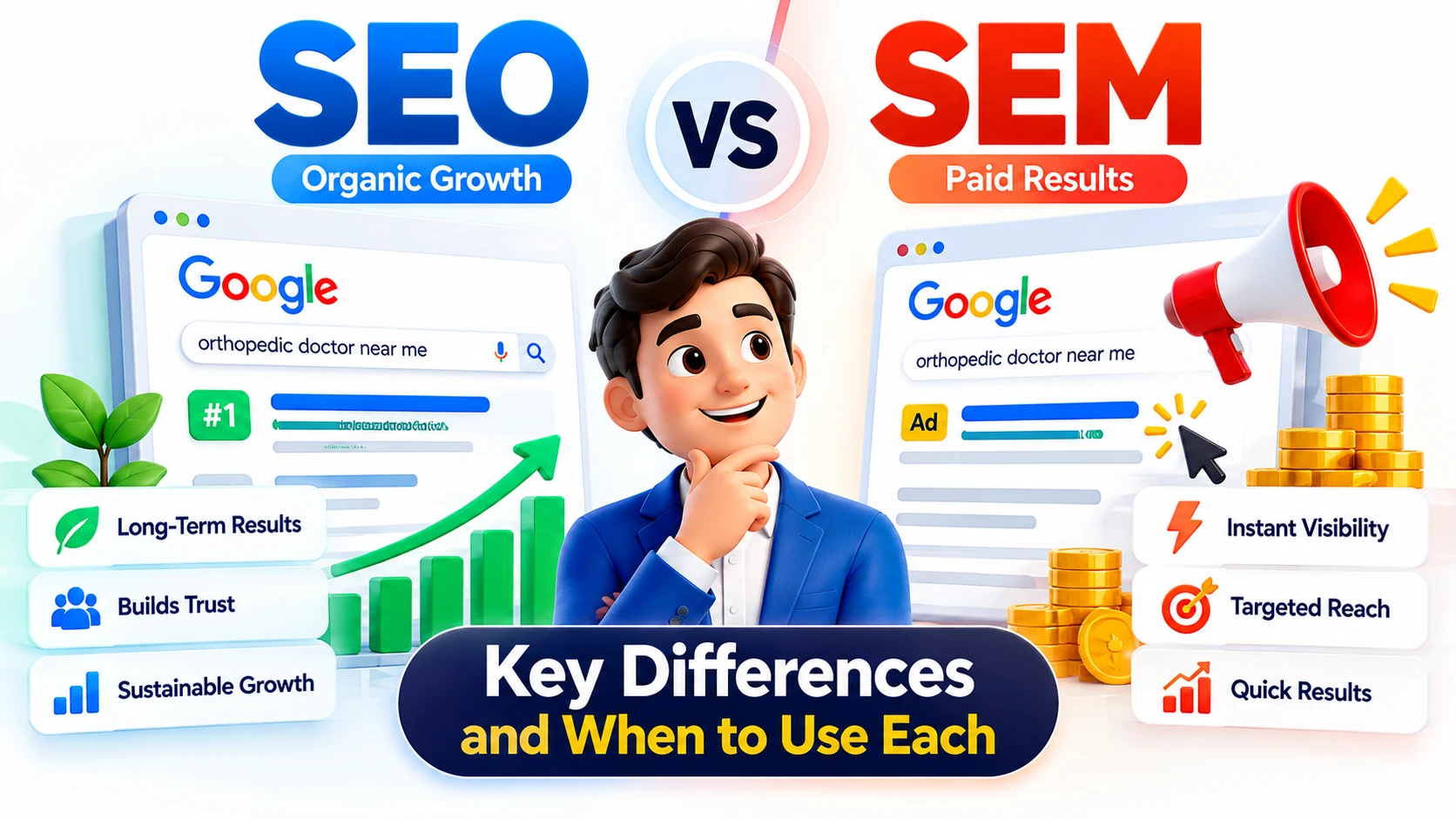
SEO vs SEM: Key Differences and When to Use Each

July 1, 2026 8 min read
SEO vs SEM: Key Differences and When to Use Each

If you've ever explored digital marketing, you've probably come across the terms SEO and SEM. While they are closely related, they are not the same. Many business owners assume they need to choose one over the other, but the reality is that both strategies serve different purposes and can work together to help a business grow.

Every day, billions of searches are made on Google by users looking for products, services, and information. The question is whether your business appears when potential customers search. SEO and SEM are two of the most effective ways to increase your visibility in search results, but understanding how they differ is the key to making the right marketing investment.

At Webastr, we provide comprehensive Search Engine Marketing Services that combine organic SEO and paid advertising strategies to help businesses generate qualified traffic, increase conversions, and build long-term online success. In this guide, we'll explain what SEO and SEM are, highlight their differences, discuss their advantages, and help you determine which approach best suits your business goals.

What is SEO?

Search Engine Optimization (SEO) is the process of improving a website so it ranks higher in the organic (non-paid) results of search engines like Google. Instead of paying for every visitor, SEO focuses on making your website valuable, relevant, and technically sound so search engines naturally recommend it to users.

SEO involves creating high-quality content, optimizing web pages, improving technical performance, and earning authority through backlinks. The goal is to provide users with the best possible experience while helping search engines understand your website.

A successful SEO strategy typically includes:

  • Optimizing page titles, meta descriptions, and headings.

  • Publishing helpful, keyword-focused content.

  • Improving website speed and mobile responsiveness.

  • Building high-quality backlinks from trusted websites.

  • Enhancing technical SEO with schema markup, XML sitemaps, and crawl optimization.

Although SEO requires patience, the long-term rewards are significant. Once your website establishes authority, it can continue attracting organic traffic without paying for every click.

What is SEM?

Search Engine Marketing (SEM) refers to using paid advertising to appear in search engine results. The most common SEM platform is Google Ads, where businesses bid on keywords related to their products or services. These advertisements usually appear above the organic search results and are marked as "Sponsored."

Unlike SEO, which may take months to deliver measurable results, SEM can begin generating traffic within hours of launching a campaign. Businesses only pay when someone clicks on their advertisement, making SEM a Pay-Per-Click (PPC) marketing strategy.

A typical SEM campaign includes:

  • Keyword research to target high-intent searches.

  • Writing compelling ad copy.

  • Setting campaign budgets.

  • Creating optimized landing pages.

  • Tracking clicks, conversions, and return on investment.

SEM is particularly effective for businesses that need immediate visibility or are promoting time-sensitive offers.

SEO vs SEM: Understanding the Key Differences

Although SEO and SEM both help improve search visibility, they differ in several important ways.

FeatureSEOSEM
Traffic SourceOrganic SearchPaid Advertisements
CostNo cost per clickPay for every click
Time to Results3–6 monthsImmediate
Long-Term ValueExcellentStops when budget ends
Trust LevelHighModerate
Best ForSustainable growthQuick leads and promotions

The biggest difference lies in how traffic is generated. SEO earns visibility by improving your website's quality and authority, while SEM purchases visibility through advertising. Because of this, SEO is generally viewed as a long-term investment, whereas SEM is ideal for achieving short-term business goals.

Benefits of SEO

SEO offers much more than higher rankings. It helps businesses build a strong digital presence that continues delivering results over time.

One of the biggest advantages of SEO is that it generates sustainable organic traffic. Once your website ranks well for valuable keywords, it can continue attracting visitors without ongoing advertising costs. This often leads to a better return on investment over the long term.

SEO also improves the overall quality of your website. Better page speed, mobile optimization, clear navigation, and informative content create a better user experience, which benefits both search engines and your customers.

Some additional benefits include:

  • Builds long-term brand authority.

  • Increases trust and credibility.

  • Improves website usability.

  • Generates consistent organic traffic.

  • Reduces customer acquisition costs over time.

Although SEO requires continuous optimization, the long-term benefits often outweigh the initial investment.

Benefits of SEM

SEM is designed for businesses that need fast results. Instead of waiting months for organic rankings, businesses can launch paid campaigns and begin appearing in search results almost immediately.

Another advantage is the level of targeting available. Advertisers can control exactly who sees their ads based on location, device, demographics, language, and search intent. This makes SEM one of the most precise forms of digital advertising.

SEM also provides detailed performance data that helps businesses make informed marketing decisions.

Some of its major advantages include:

  • Generates immediate website traffic.

  • Excellent for product launches and promotions.

  • Highly measurable through detailed analytics.

  • Flexible budgets for businesses of all sizes.

  • Reaches users actively searching for your services.

For businesses that rely on immediate leads, SEM can deliver excellent results when campaigns are managed effectively.

When Should You Choose SEO?

SEO is the ideal choice for businesses that are focused on long-term growth rather than immediate sales. If your goal is to increase brand awareness, establish authority, and reduce advertising costs over time, SEO should be a core part of your marketing strategy.

Businesses in industries such as healthcare, education, finance, legal services, SaaS, and professional consulting often benefit significantly from SEO because customers typically research extensively before making decisions.

SEO is also an excellent investment if your business regularly publishes blogs, guides, case studies, or educational resources. Every new piece of optimized content creates another opportunity to attract potential customers through organic search.

When Should You Choose SEM?

SEM is best suited for situations where immediate visibility is essential. If you're launching a new product, promoting a limited-time offer, entering a competitive market, or trying to generate leads quickly, paid search campaigns can deliver fast results.

For example, an online retailer running a festive sale may not have time to wait for SEO improvements. Similarly, a local service provider looking for immediate inquiries can benefit from targeted Google Ads campaigns.

SEM is also useful for testing keywords before investing in long-term SEO content. By analyzing which search terms generate the highest conversions, businesses can refine their broader digital marketing strategy.

Why SEO and SEM Work Better Together

Many businesses believe they must choose between SEO and SEM, but combining both strategies often produces the best results. While SEM generates immediate traffic, SEO builds a sustainable foundation that continues attracting visitors long after advertising campaigns end.

Using both approaches allows businesses to:

  • Capture immediate traffic through paid search.

  • Build long-term organic visibility.

  • Test keyword performance before creating SEO content.

  • Increase brand exposure across both paid and organic listings.

This balanced strategy provides consistent traffic while reducing dependence on paid advertising over time.

Common Myths About SEO and SEM

There are several misconceptions surrounding search marketing that can prevent businesses from making informed decisions.

One common myth is that SEO is completely free. While businesses don't pay for organic clicks, effective SEO requires investment in content creation, technical improvements, and ongoing optimization.

Another misconception is that SEM guarantees sales. Paid advertisements can drive qualified visitors to your website, but successful conversions still depend on your landing pages, pricing, website experience, and overall value proposition.

Some also believe SEO is no longer relevant because of AI-powered search. In reality, search engines continue rewarding websites that publish valuable, trustworthy, and user-focused content. Modern SEO has evolved, but it remains one of the most effective digital marketing strategies available.

Which Strategy Is Right for Your Business?

Choosing between SEO and SEM depends on your business objectives, timeline, and budget. If you're seeking sustainable growth and want to build lasting authority, SEO is the better long-term investment. If your priority is generating leads quickly or promoting a specific campaign, SEM can provide immediate visibility.

For most businesses, the strongest results come from combining both strategies. SEO creates a foundation for long-term organic growth, while SEM supports short-term goals and helps businesses remain competitive in crowded markets.

How Webastr Can Help

At Webastr, we understand that every business has different marketing goals. That's why our Search Engine Marketing Services are tailored to your specific needs. Whether you want to improve your organic rankings through SEO or drive immediate traffic with Google Ads, our team develops customized strategies designed to maximize your return on investment.

Our services include technical SEO audits, keyword research, content optimization, local SEO, PPC campaign management, conversion tracking, and ongoing performance reporting. We focus on delivering measurable results that help businesses attract qualified customers and achieve sustainable online growth.

With a data-driven approach and years of digital marketing experience, Webastr helps businesses build a stronger online presence and stay ahead of the competition.

Conclusion

SEO and SEM are not competing strategies—they are complementary tools that serve different purposes within a successful digital marketing plan. SEO focuses on earning long-term organic visibility by improving website quality, while SEM provides immediate exposure through paid advertising. Understanding the strengths of each approach allows businesses to allocate their marketing budgets more effectively and achieve both short-term and long-term success.

If you're looking for consistent growth, improved online visibility, and higher-quality leads, combining SEO and SEM is often the smartest approach. By partnering with an experienced agency like Webastr, you can create a customized search marketing strategy that drives measurable results and supports your business objectives for years to come.
Frequently Asked Questions

SEO focuses on improving organic search rankings through website optimization, while SEM uses paid advertising to generate immediate visibility on search engines.

Neither is universally better. SEO is ideal for long-term growth and sustainable traffic, while SEM is best for businesses that need immediate leads or are running time-sensitive campaigns.

Most SEO campaigns begin showing measurable improvements within three to six months, although highly competitive industries may require additional time.

Yes. Many small businesses use SEM to generate immediate leads while building long-term organic visibility through SEO, creating a balanced and cost-effective digital marketing strategy.

More From The Blog

Shopify SEO Checklist: 15 Steps to Improve Your Store's Visibility October 17, 2026

Shopify SEO Checklist: 15 Steps to Improve Your Store's Visibility

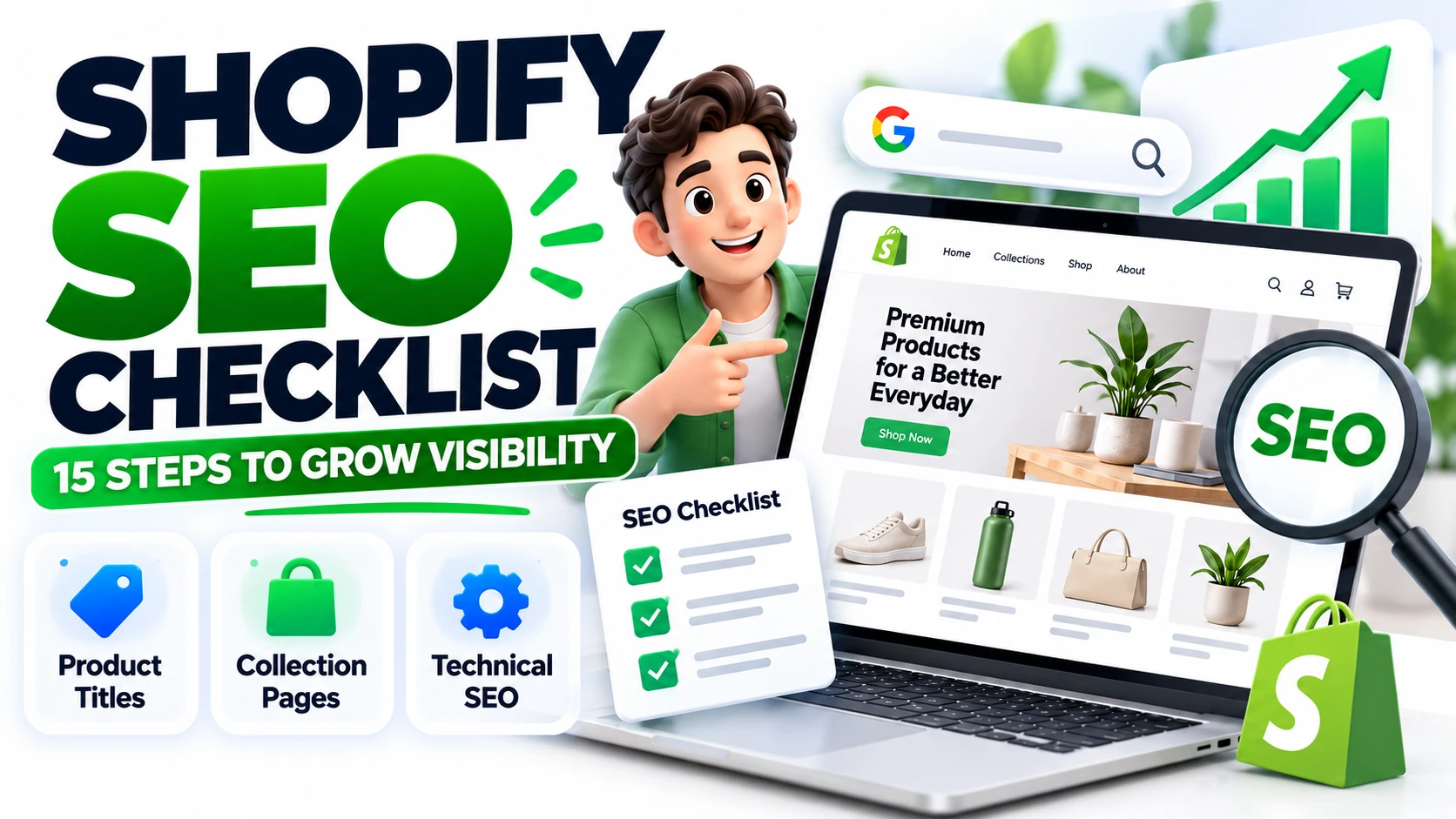
Your Shopify store may have excellent products and attractive designs, but are potential customers finding it on Google?Without a clear SEO strategy, your products can struggle to reach shoppers searching for what you sell. The right improvements can help your store become easier to discover and create more opportunities for sales.This Shopify SEO checklist covers 15 practical steps to improve your store's search visibility, strengthen product pages and attract relevant visitors.1. Optimize Your Shopify HomepageEffective Shopify homepage SEO starts with explaining what your store sells and why customers should consider buying from you.Steps 1 to 3: Homepage Optimization1. Write a descriptive page title. Include your main product category naturally.2. Improve your homepage content. Clearly explain your products, target customers and main benefits.3. Organize navigation and internal links. Make important collections, products and contact information easy to find.Avoid keyword stuffing. Prioritize helpful content and a clear shopping experience.2. Improve Shopify Product Page SEOProduct pages can attract customers searching for specific products, features, sizes and uses.Steps 4 to 7: Product Optimization4. Optimize product titles. Effective Shopify product title SEO means using descriptive names that explain what the product is.For example, replace “Premium Bottle” with “Insulated Stainless Steel Water Bottle, 750ml” when that accurately describes the product.5. Write original product descriptions. Explain features, materials, dimensions, benefits and practical uses.6. Optimize product images. Use descriptive filenames, relevant alt text and appropriately sized images.7. Review metadata and URLs. Write unique page titles and meta descriptions, and keep URLs clear and descriptive.3. Optimize Collection Pages and Website StructureCollections help customers browse products and can target broader search queries.Steps 8 to 10: Collection Optimization8. Improve collection descriptions. Add useful content that explains the products and helps shoppers choose.9. Create logical categories. Organize products into relevant collections without creating unnecessary duplicates.10. Add relevant internal links. Connect related products, collections and helpful blog articles where those links benefit shoppers.For ecommerce businesses competing in Australia, location-specific expertise can also be valuable. Businesses targeting Melbourne can explore Webastr's SEO services in Melbourne to learn about its broader SEO offering.4. Complete Your Shopify Technical SEO ChecklistTechnical problems can make important pages harder to discover or create a poor shopping experience.Steps 11 to 13: Technical SEO11. Check crawling and indexing. Use Google Search Console to investigate whether important product and collection pages are indexed.12. Review duplicate URLs and redirects. Check canonicalization and use appropriate redirects when changing URLs.13. Improve mobile usability and performance. Review loading speed, navigation, images, buttons and forms on mobile devices.Shopify provides built-in SEO features, including automatically generated sitemaps and canonical tags. However, your content, navigation and website settings still need attention.For more complex technical issues, technical SEO services can help identify problems and prioritize improvements.5. Monitor Performance and Keep ImprovingSEO requires ongoing measurement rather than a one-time checklist.Steps 14 and 15: Tracking and Improvement14. Review Google Search Console. Monitor impressions, clicks, queries and indexing issues to identify opportunities.15. Measure organic traffic and sales. Use analytics to understand whether organic visitors view products, add items to their carts and complete purchases.Focus on business outcomes, not rankings alone. Relevant visitors and completed orders are more valuable than traffic that never converts.6. Common Shopify SEO Mistakes to AvoidWatch out for these common problems:Reusing identical product descriptions across multiple products.Stuffing keywords into product titles.Ignoring collection pages.Publishing unnecessary duplicate pages.Uploading oversized images.Changing URLs without appropriate redirects.Measuring traffic without checking conversions.Fixing these issues can make your store easier to navigate and maintain.7. When Should You Hire Shopify SEO Services?Managing SEO yourself may work for a small store when you have enough time and knowledge. However, a growing product catalogue, technical problems or strong competition can make optimization more complicated.Professional Shopify SEO services may include keyword research, technical audits, product and collection optimization, internal linking and performance reporting.When evaluating an SEO expert for Shopify, review their ecommerce experience, reporting process and proposed strategy. A Shopify SEO freelancer may suit a smaller project, while a team may be more appropriate for ongoing work across multiple areas.Businesses targeting Brisbane can explore Webastr's SEO services in Brisbane to review its broader SEO offering and consider whether it fits their requirements.Choose a provider who understands your goals, explains their deliverables clearly and avoids guaranteeing rankings or sales.8. Get More Value From Your Shopify StoreYour Shopify store needs more than attractive product pages to compete in organic search. It needs clear structure, useful content, accessible pages and regular performance reviews.Start with this 15-step Shopify SEO checklist, prioritize issues affecting your most important pages and measure whether your improvements contribute to business growth.Need help identifying SEO opportunities in your store?Webastr helps businesses improve website visibility through SEO strategy and technical optimization. Visit the Webastr contact page to discuss your store's requirements and potential next steps.

How Does SEO Work in AI Search? October 10, 2026

How Does SEO Work in AI Search?

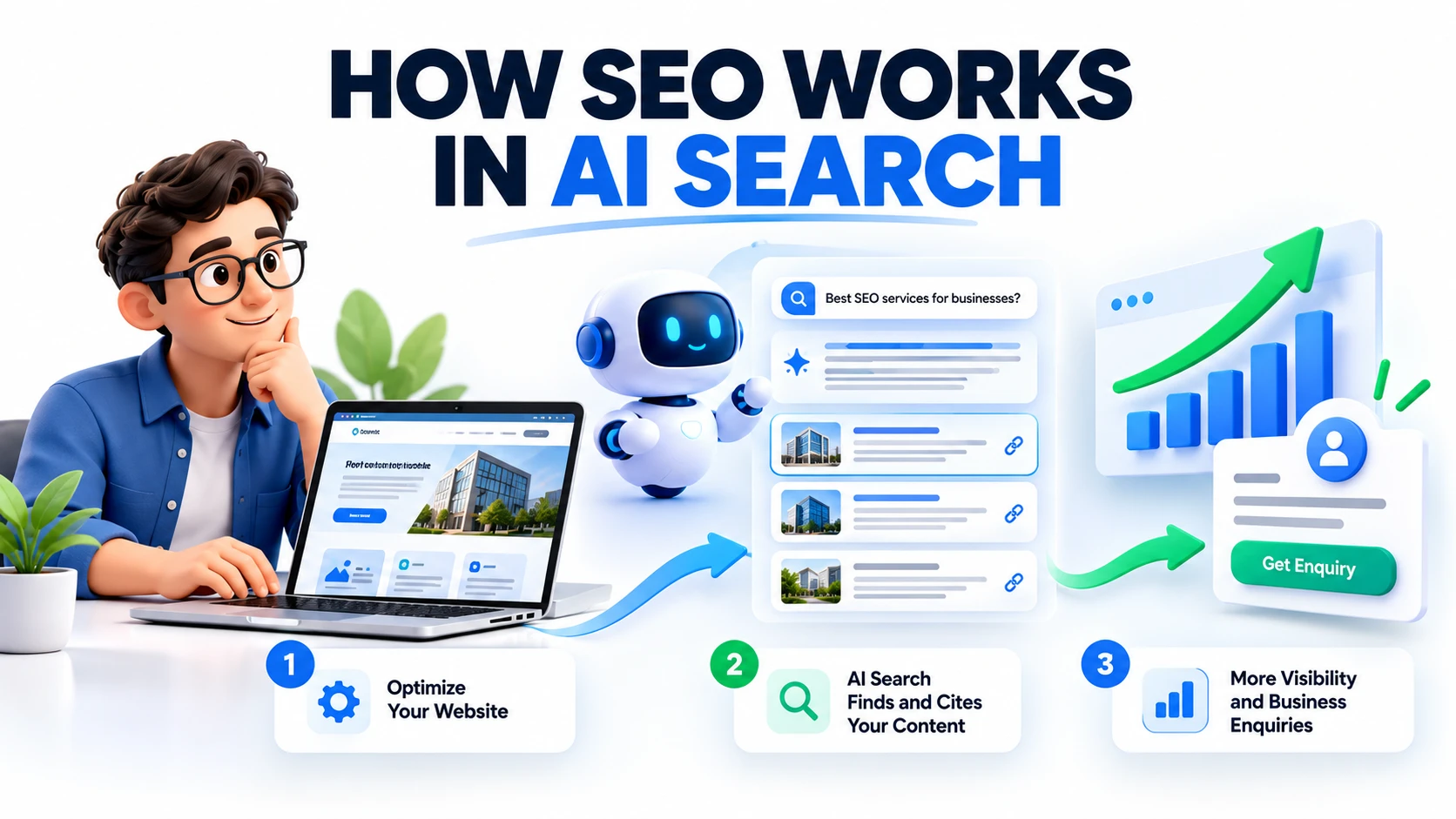
AI-powered search is changing how people discover businesses, compare services and research products. Instead of visiting several websites, users can ask questions and receive AI-generated answers with links to relevant sources.For businesses, this creates another opportunity to reach potential customers. Understanding how SEO works in AI search helps companies build visibility across traditional search engines and AI-powered platforms.1. What Is AI SEO and How Do Agencies Provide It?Businesses searching for what is ai seo or aio services for agencies generally want to understand how AI optimization can improve their online visibility.AI SEO focuses on improving website discoverability across AI-powered search experiences. Related approaches include Answer Engine Optimization (AEO), which aims to provide useful answers, and Generative Engine Optimization (GEO), which focuses on visibility in generative AI experiences.AI SEO services may include website audits, content optimization, technical improvements, competitor research and AI visibility tracking. The objective is to help potential customers discover a business and generate relevant enquiries.2. What Is AI SEO vs the Traditional Approach?The question what is ai seo vs traditional approach highlights an important distinction.Traditional SEO focuses on organic search visibility, while AI search optimization also considers how information appears in AI-generated answers.Traditional SEOAI search optimizationOrganic rankings and clicksAI mentions and citationsKeyword and search-intent researchKeywords and conversational promptsTechnical SEO and useful contentThe same fundamentals plus AI visibility monitoringOrganic traffic and conversionsAI referrals and qualified enquiriesThese approaches complement each other. Google confirms that established SEO practices remain relevant to its AI search features.3. How Does SEO Work in AI Search Engines?AI search platforms differ, but the process may involve several stages.First, search systems discover website pages through links, sitemaps and other methods. They then process and index eligible content. Depending on the platform and query, relevant information may be retrieved to help generate an answer.The answer may include citations or links that direct users to supporting websites. However, indexing does not guarantee a citation or recommendation.Businesses should focus on making important pages accessible, creating helpful content and clearly explaining their expertise, products and services.4. What Is Prompt Volume in AI Visibility or SEO?A common research question, what is prompt volume in ai visibility or seo, refers to the number or frequency of prompts monitored by an AI visibility tool. Definitions can vary between providers.For example, an agency might track prompts such as:Which SEO company helps small businesses?How can a website appear in ChatGPT search?Which company offers AI SEO services?Prompt volume is not equivalent to traditional keyword search volume. The number of prompts a tool tracks does not automatically represent real-world search demand.Prompt monitoring can help businesses compare brand mentions, citations and competitor visibility across supported platforms.5. Technical SEO for AI SearchTechnical SEO supports website accessibility and discoverability. Important checks include:Making important pages crawlable and indexable.Fixing broken links and navigation issues.Improving website structure and internal linking.Keeping essential content available in readable text.Using accurate structured data where appropriate.Maintaining a good mobile experience.Google does not require special AI-specific markup for inclusion in AI Overviews or AI Mode. Strong SEO fundamentals remain important, although they cannot guarantee citations.For technical website problems, explore Webastr's technical SEO services.6. AI SEO Tracking Tools for ChatGPT, Gemini and PerplexityBusinesses researching ai seo tracking tools for chatgpt search gemini should compare platforms based on their monitoring capabilities and supported AI experiences, including Perplexity.Useful features include prompt tracking, brand mention monitoring, citation analysis, competitor comparisons, historical reporting and source URL identification.When evaluating the best ai-powered platforms for search visibility tracking seo, consider pricing, reporting limitations, data coverage and whether the information helps you make practical decisions.Google Search Console also provides a dedicated report for visibility in Google's generative AI search features, including AI Overviews and AI Mode, following its worldwide rollout in August 2026.7. Can ChatGPT Help With Website Optimization and SEO?Businesses researching chatgpt plans for website optimization seo ai search should understand that AI tools can assist with keyword research, content briefs, technical troubleshooting and reporting, but they do not automatically improve rankings.ChatGPT is most useful when the person using it understands SEO fundamentals and advanced techniques, can verify recommendations, interprets website data correctly and stays updated with changing SEO practices.Use AI to support expert decision-making rather than replace research, testing or professional judgment.8. Best SEO Packages for AI Search Optimization in 2026When comparing the best seo packages for ai search optimization, look for services that match your website's needs and business objectives.A useful package may include:Technical SEO auditing.Content and on-page optimization.Competitor research.AI visibility monitoring.Regular performance reporting.Avoid providers promising guaranteed AI citations or recommendations because these outcomes cannot be reliably controlled.9. How to Adjust Your SEO Budget for AI Search OptimizationBusinesses researching how to adjust seo budget for ai search optimization should protect investment in proven SEO fundamentals before purchasing multiple AI tools.Start by resolving technical problems and improving important pages. Then test suitable visibility tools, measure qualified traffic and enquiries, and increase spending when the results justify further investment.The goal is not to buy every new platform. It is to prioritize improvements that support business growth.10. SEO for AI Search Engines: AEO Tips for 2025 and 2026When researching seo for ai search engines aeo tips 2025 2026, focus on durable practices rather than shortcuts.Create original, helpful content, answer customer questions clearly, maintain accessible pages, strengthen relevant internal links and keep business information accurate.These practices support traditional search as well as AI discovery. No content format or optimization trick guarantees that an AI platform will mention your business.11. When Should You Hire an AI SEO Agency?Professional support may be useful when technical problems persist, AI search visibility is limited or your team lacks the time to manage optimization.Businesses evaluating tools and professional services should consider their website's complexity, reporting needs and available expertise before deciding what to outsource.Webastr's AI SEO services can help businesses identify optimization opportunities and develop a structured search visibility strategy.Final ThoughtsAI search optimization builds on traditional SEO rather than replacing it. Focus on accessible pages, helpful content, credible information and meaningful performance measurement.

Small Business SEO on a Budget: What to Fix First for Better Visibility September 14, 2026

Small Business SEO on a Budget: What to Fix First for Better Visibility

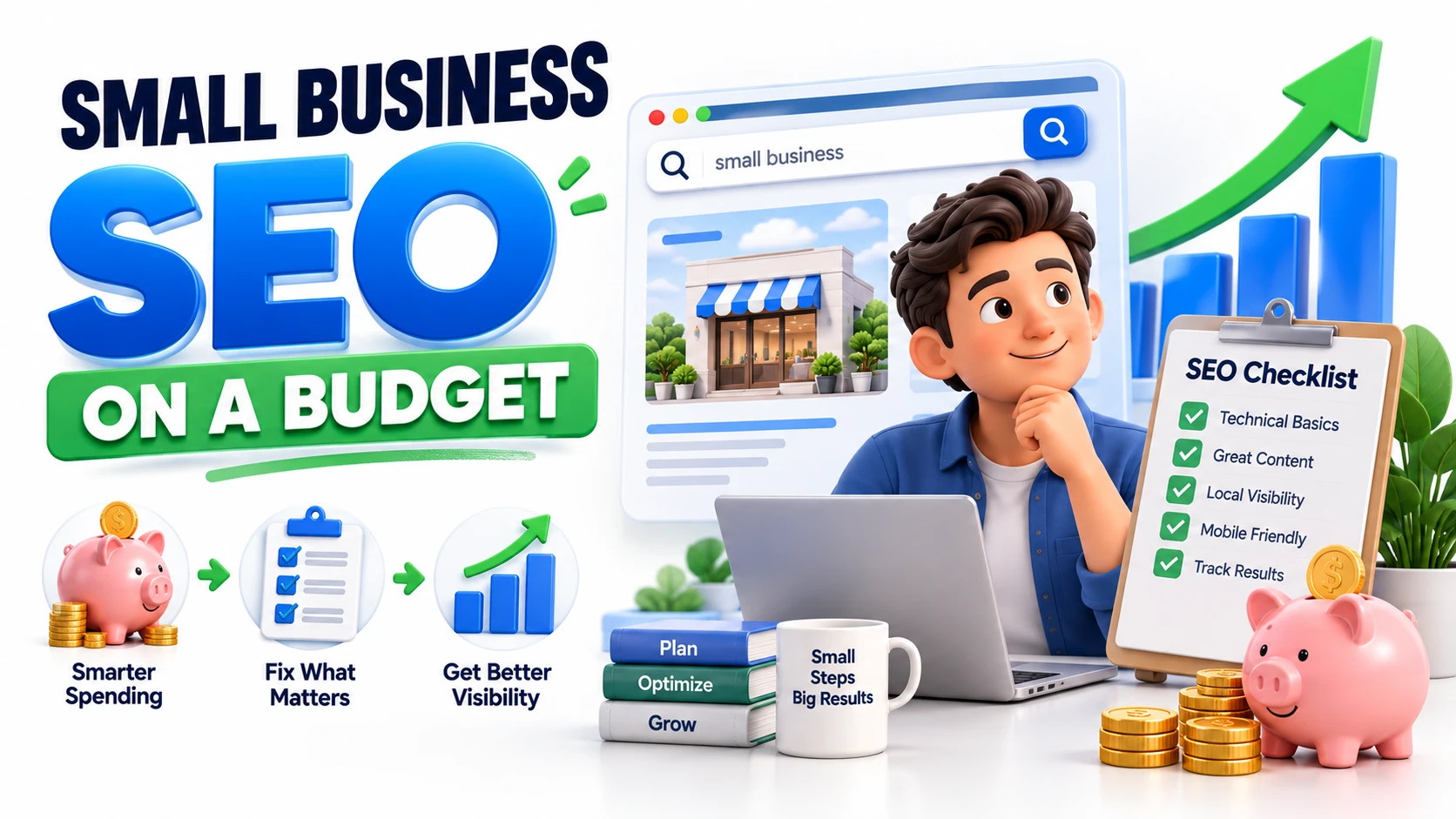
You don't need a huge marketing budget to improve your website's visibility on Google.What you need is the right order of priorities.Many small businesses spend money on expensive SEO tools, create lots of content, or target highly competitive keywords before fixing the basics. That can quickly consume a limited budget without producing meaningful results.A smarter approach is to identify the biggest opportunities, fix the fundamentals, measure what changes, and then decide where to invest next.1. Why Small Businesses Struggle With SEOSEO can feel complicated when you're running a business and handling everything from customers to sales.The problem isn't always a lack of effort. Often, businesses simply don't know which SEO tasks deserve attention first.Common challenges include:Limited marketing budgetsStrong local competitionLack of SEO knowledgeToo many tools and recommendationsTargeting keywords that are too competitiveCreating content without a clear strategyFocusing on traffic instead of business resultsYou don't have to solve everything at once.Start with the improvements that can make the biggest difference.2. What You Can Improve Before Spending MoneyBefore buying an SEO platform or hiring outside help, look at what you can improve on your existing website.Start with:Clear page titles and headingsUseful and relevant contentEasy website navigationStrong internal linkingMobile-friendly pagesUpdated service or product informationAccurate local business informationAlso check whether your important pages can be discovered and indexed by search engines.These basic improvements can uncover problems that don't require a large budget to fix.3. The 7 SEO Issues to Check First1. IndexingMake sure important pages can be discovered and indexed by search engines.Google Search Console can help you identify indexing issues and understand which pages are appearing in search.2. Page Titles and DescriptionsYour page title should clearly explain what the page is about.Avoid filling titles with multiple variations of the same keyword. Write for the person who will see the result in search.3. Search IntentThink about what customers actually want when they search.Someone searching for “SEO services for small business” has a different goal from someone searching “how does SEO work?”Your page should satisfy the purpose behind the search.4. Website StructureImportant pages shouldn't be buried several clicks deep.Make it easy for visitors to move between your homepage, services, products, useful content and contact page.5. Internal LinksInternal links connect related pages and help visitors discover useful information.For example, a helpful article can naturally guide a reader toward a relevant service page.If you're dealing with broader ranking problems, see our guide on Why Your Website Isn’t Ranking on Google for a deeper look at common SEO issues.6. Local VisibilityIf you serve customers in a specific area, review your local presence.Make sure your business information, services, location details, opening hours and other important information are accurate.7. Mobile ExperienceYour website should be easy to use on smaller screens.Check menus, buttons, forms, images, text size and page loading on mobile devices.4. Where Small Businesses Waste Their SEO BudgetA small SEO budget can disappear quickly when it's spent without a clear strategy.Common mistakes include:Buying tools you rarely usePublishing large amounts of low-quality contentChasing highly competitive keywords too earlyPaying for poor-quality backlinksFocusing only on website trafficPaying for services without clear goals or measurementBefore spending money, ask:What problem am I trying to solve?If you don't know the answer, spending more probably won't solve the underlying issue.5. Free SEO Tools Worth UsingYou can learn a lot about your website without immediately paying for an expensive SEO platform.Google Search ConsoleUse it to understand search queries, impressions, clicks and the pages receiving visibility in Google Search.Google AnalyticsUse analytics data to understand how visitors interact with your website and whether your traffic is contributing to meaningful actions.Google Business ProfileFor local businesses, keep your profile accurate and up to date with the correct business information, services, hours and other relevant details.6. When Paid SEO Tools Actually Make SensePaid SEO tools can become useful as your SEO work grows.They may help with:Keyword researchCompetitor analysisRank trackingBacklink researchTechnical auditsContent planningLocal search trackingBut don't buy a tool simply because other businesses use it.Choose it because it solves a specific problem you actually have.For a small website, a few reliable free tools may be enough to identify your next priorities.7. What to Fix First: A Simple Priority ChecklistWhen your budget is limited, follow this order:1. Check indexing and accessibilityMake sure important pages can be discovered.2. Improve important pagesStart with services, products and location pages that can generate business.3. Review search intentMake sure your pages answer what potential customers are actually looking for.4. Improve website structure and internal linksHelp users and search engines discover important pages.5. Strengthen local visibilityPrioritize this if your business depends on local customers.6. Improve mobile experienceMake your website easy to use on phones.7. Invest where the data shows an opportunityOnly increase your SEO spending when you know what needs improvement.8. DIY SEO vs Professional SEO HelpBasic SEO can be handled internally when you have the time and knowledge.Professional help becomes more useful when SEO problems are difficult to diagnose, your website is growing, competitors are gaining visibility, or you don't have enough time to manage SEO consistently.The decision shouldn't simply be based on company size.Consider complexity, available time, competition and potential business value.OptionTypical costBest forWatch out forDo it yourselfYour timeLearning the basicsSlow progressFreelancer$800 to $2,500 per monthDefined one off tasksUneven qualitySEO agency$1,500 to $5,000 per monthOngoing growthNeeds careful vetting9. How to Know When Your SEO Needs Professional AttentionProfessional SEO support may make sense when:You can't determine why visibility isn't improving.Technical issues keep appearing.Multiple pages compete for similar searches.You need a structured SEO strategy.Your competitors consistently outperform you.You don't have time to maintain SEO.Organic search is becoming an important source of leads.At this stage, professional SEO services can help turn individual fixes into a structured growth strategy.10. Final SEO Budget ChecklistBefore spending your next SEO budget, ask:✓ Can Google access my important pages?✓ Are my most valuable pages properly optimized?✓ Am I targeting searches relevant to my customers?✓ Is my website easy to navigate?✓ Have I built useful internal links?✓ Is my local information accurate?✓ Does my website work well on mobile?✓ Am I using available search data?✓ Do I really need another paid SEO tool?✓ Would professional SEO help save time or uncover opportunities?Final ThoughtsSmall business SEO doesn't require a massive budget.The key is prioritization.Fix the fundamentals first, improve the pages that matter most, use free data to discover opportunities, and invest more only when you know where that investment can help.A limited SEO budget can still create meaningful growth when every task has a clear purpose.

Chat with us

Get a Free Audit

We'll review your site and send a custom growth plan - no cost, no obligation.

We'll get back to you within 24 hours. No spam, ever.

Free Consultation

Let's Grow Your Business Together

Get a free, personalized SEO strategy session with our experts — no obligation, no pressure.

  • Free 30-minute strategy call
  • Custom growth roadmap for your site
  • No long-term contracts

Request a Callback

Fill this in and we'll reach out within 24 hours.